Restorative justice and peace circles offer at-risk youth a powerful alternative to traditional punitive measures by focusing on accountability and healing rather than just punishment. Instead of being sidelined by suspensions or legal charges, young people are given a structured space to understand the real-world impact of their actions. This process fosters emotional intelligence and empathy, as they listen to those they’ve harmed and work together to make things right. By replacing the "school-to-prison pipeline" with a supportive framework, these practices help keep youth in school and connected to their communities, significantly reducing the likelihood of future conflict.
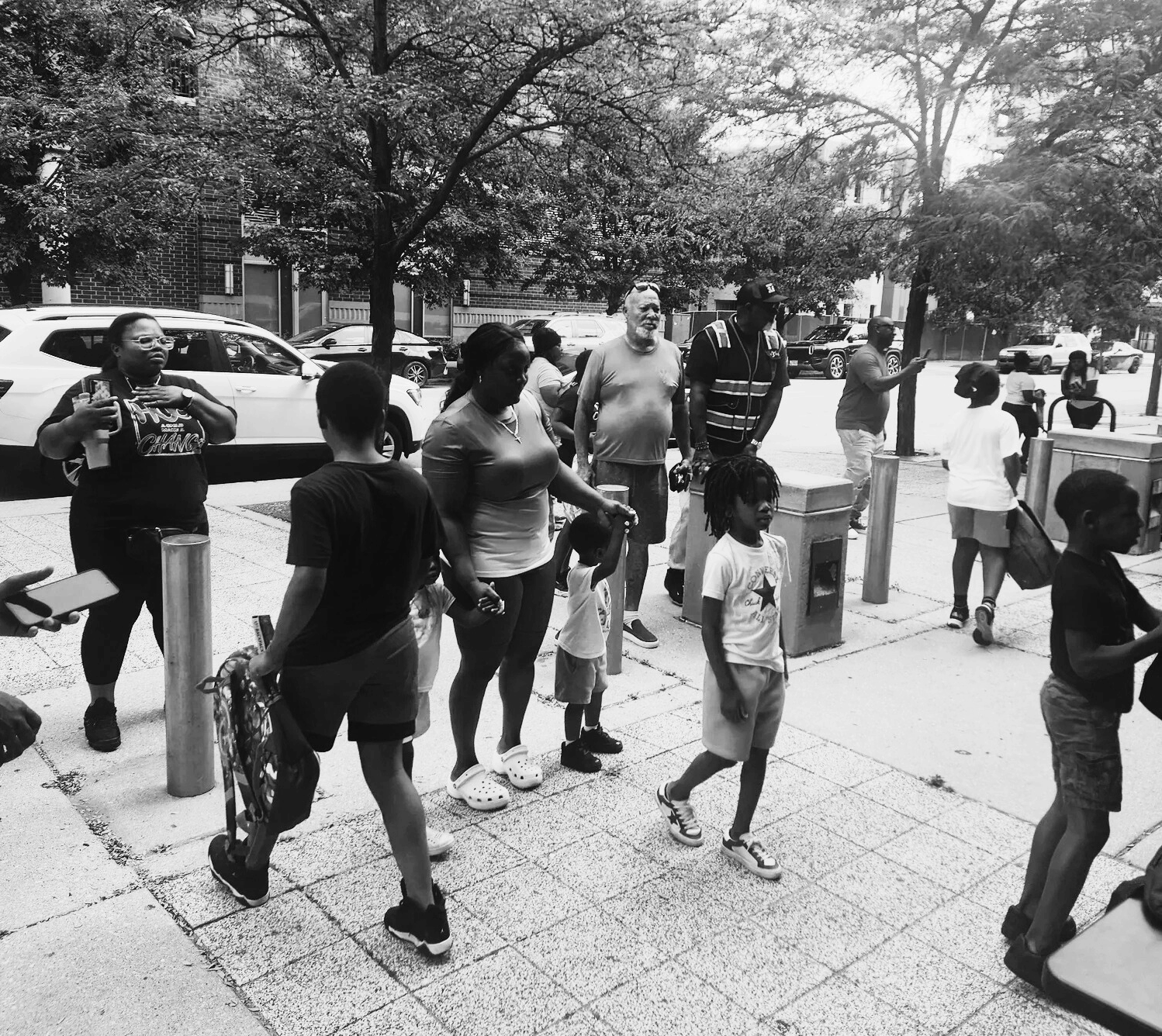
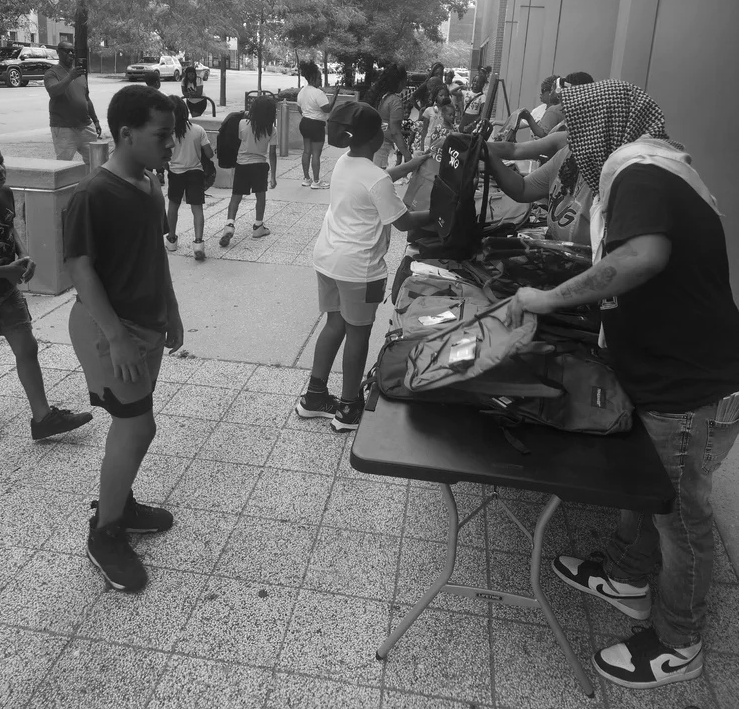
Beyond addressing specific incidents, peace circles build a vital sense of belonging and agency for high-risk young adults who may feel marginalized by society. The circular format flattens power dynamics, ensuring every participant has an equal voice and is treated with dignity. This environment encourages vulnerable communication, allowing participants to process trauma and develop conflict-resolution skills that are essential for long-term stability.
As they build stronger relationships with peers and mentors, they gain a support network that reinforces a positive identity, helping them transition from being seen as "problems" to becoming valued members of their community.